
What Happens If Your Roof Is Damaged in a Storm?
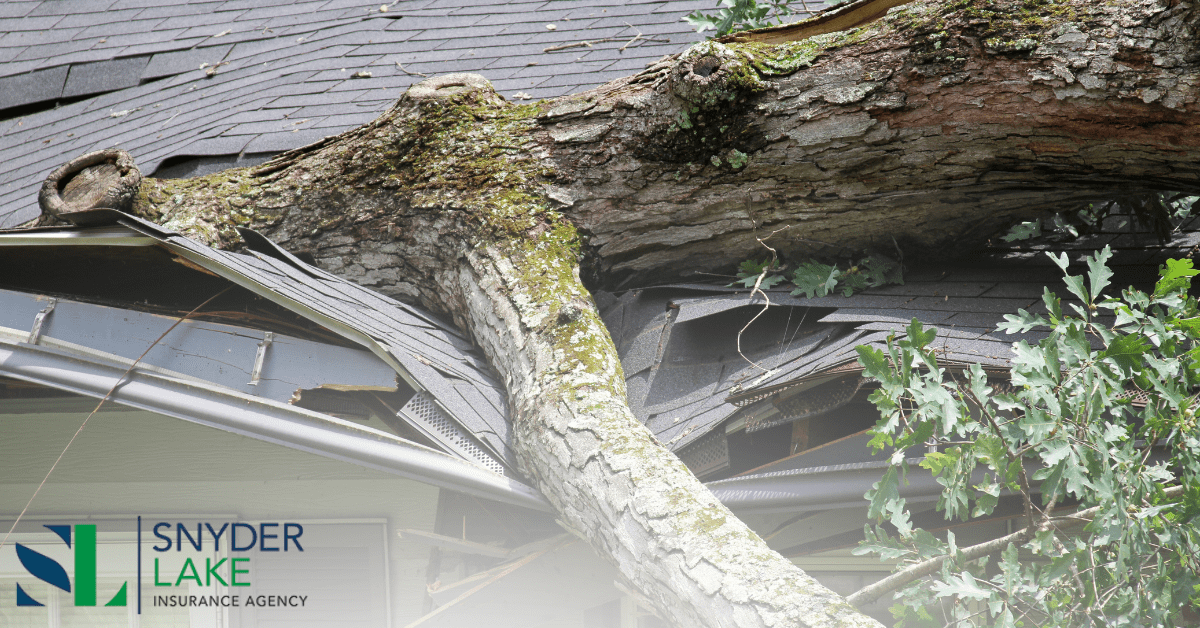
When a storm rolls through Alabama, one of the most common things homeowners end up dealing with is roof damage. Whether it is strong winds, hail, or a falling tree limb, your roof usually takes the first hit. And when that happens, it can feel a little overwhelming if you are not sure what to do next or how insurance comes into play. The good news is that if you have homeowners insurance, there is a good chance you are covered for this kind of damage. The key is knowing how the process actually works so you are not caught off guard.
The first thing to do after the storm
If you suspect roof damage after a storm, the first step is to make sure it is safe to go outside and take a look. You are checking for obvious issues like missing shingles, visible holes, dents from hail, or debris sitting on top of the roof. It is also a good idea to check inside your home. Water stains on ceilings or walls can be a sign that the roof was damaged even if you cannot see it easily from the ground. Once you notice something is wrong, the next step is to contact your insurance company or your local agent as soon as possible. The sooner you report it, the smoother the process usually goes.
What your insurance actually covers
In most homeowners insurance policies, storm related roof damage is covered when it is caused by wind, hail, or falling objects like tree branches. That means if a storm tears off shingles or causes a leak, your policy will likely help pay for repairs or even a full replacement depending on the extent of the damage. However, insurance usually does not cover damage that happens slowly over time. For example, if your roof is already old and starts leaking because of wear and tear, that would not typically be included. This is where a lot of homeowners get confused. Insurance is designed for sudden damage caused by a specific event, not gradual aging.
What happens when you file a claim
Once you file a claim, your insurance company will send out an adjuster to inspect your roof. Their job is to assess the damage and determine what should be covered under your policy. They will look at things like how many shingles are missing, whether there is structural damage, and whether the damage matches the storm you reported. After the inspection, you will receive a summary of what the insurance company is willing to pay for. This amount will be based on your coverage and your deductible.
Understanding your deductible
Your deductible is the amount you are responsible for paying before insurance kicks in. In Alabama, many homeowners have a separate deductible for wind or hail damage. This can be a set dollar amount or a percentage of your home coverage. It is important to know this ahead of time because it affects how much you will actually pay out of pocket for repairs.
Repairing or replacing your roof
Once your claim is approved, you can move forward with repairs. In some cases, only part of the roof needs to be fixed. In other situations, especially after major hail or wind damage, a full roof replacement may be necessary. Your insurance company will typically issue payment in stages. The first payment often helps get the work started, and the rest comes after repairs are completed and confirmed.
Why timing matters in Alabama
Storm damage in Alabama is not something to sit on for too long. Weather can change quickly here, and small roof issues can turn into bigger problems if water starts getting inside your home. That is why it is important to act quickly, even if the damage does not look severe at first glance.
Final thoughts
Dealing with roof damage is never something homeowners look forward to but knowing how the process works can make it a lot less stressful. The key is to act quickly, understand what your policy covers, and work with your insurance agent to make sure nothing gets missed. If you are ever unsure, it is always worth having someone take a closer look at your coverage before a storm hits rather than after the damage is already done.